
Closing on a House: The Complete First-Time Homebuyer Guide
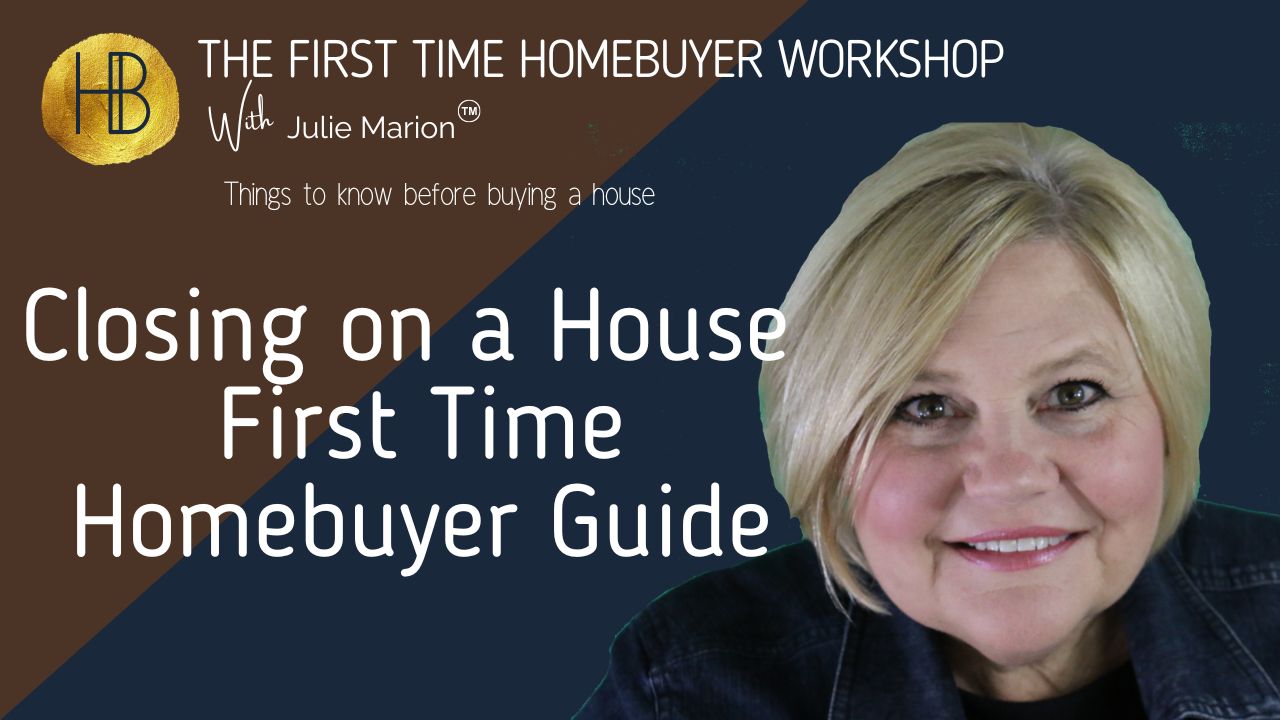
🏡 Closing on a House: The Complete First-Time Homebuyer Guide
What happens during the closing period (escrow period) when buying a house?
The closing period is the final stage of a home purchase where financing is finalized, the property title is verified, documents are signed, and ownership is transferred from seller to buyer. It includes underwriting, appraisal, final walkthrough, and closing day.
There’s a moment in every homebuying journey where everything shifts. You go from “I’m thinking about buying a house” to:
👉 “I am buying THIS house.”
And right there… the tone changes.
The friendly, chatty phase with your loan officer?
That starts to fade.
And in its place?
Something far more mysterious begins.
🎭 “Wizard Behind the Curtain” — Meet the Underwriter
If you’ve ever read or seen The Wizard of Oz, you’ll understand this instantly.
Remember the Great & Powerful Oz—issuing commands from behind a curtain?
That’s your underwriter.
You won’t meet them.
You won’t talk to them.
Your real estate agent won’t talk to them either.
But they will:
- Scrutinize every financial detail of your life
- Request document after document
- Quietly decide whether your loan lives… or dies
And unlike the movie ~ There’s no Toto pulling back the curtain to reveal a kind old man.
Just a system.
A process.
And a whole lot of rules.
🧠 Why This Process Feels So Confusing (And Why It Shouldn’t Be)
After 38 years in the industry—including: 20 years as an urban planner; 19 years as a real estate broker
One thing is still true: 👉 The homebuying process is unnecessarily confusing.
Especially for first-time buyers.
You’re expected to make one of the biggest financial decisions of your life…
Without a clear, step-by-step roadmap.
And that’s a problem.
Because here’s the truth:
👉 You do NOT need to be a millionaire to buy a home.
👉 You DO need to understand the process.
Let us help guide you in the most expensive investment to date! 👉Start with our FREE class "Home Buying Chaos! Unwrapped!" where you will learn who does what, when, why, where and how and who is in charge (Hint: It's not your real estate agent)
🕰️ When Does the Closing Period Actually Begin?
The closing period starts when:
✔️ You’ve completed your Due Diligence
✔️ Your Offer has been accepted
✔️ You submit your formal Mortgage Application
At this point:
- The lender orders the appraisal
- The underwriting process begins
- The countdown to closing is officially on
📋 What Happens During the Closing Period? (Step-by-Step)
Let’s break this down in real terms—no fluff.
- Finalizing Your Financing
The lender verifies everything:
Income
Employment
Assets
Bank statements
Gift funds
This is where your pre-approval gets stress-tested.
- Title Search & Title Insurance
A title company or attorney ensures:
No liens exist on the property
Ownership is clear
The property can legally be sold
You’ll also choose whether to purchase owner’s title insurance
3. Preparation of Closing Documents
Documents created include:
Settlement statement
Mortgage agreement
Deed
Loan disclosures
This is the legal backbone of your purchase.
- The Final Walk-Through
This is your last chance to verify:
The home is in expected condition
Repairs were completed
Nothing unexpected has happened
And yes—unexpected things do happen.
I’ve seen:
Frozen pipes
Water damage
Animals left behind
Even a car driven into a house
Rare? Yes.
Possible? Also yes.
- Closing Day (The Big One) You’ll:
Sign a lot of paperwork
Provide certified funds (usually a cashier’s check)
Show valid photo ID
And then…
👉 Ownership transfers.
6. Transfer of Ownership
The deed is recorded with the county.
At that moment:
🏡 You officially become the homeowner.
7. Distribution of Funds
Funds are disbursed to:
The seller
Lenders
Service providers (Title Company/Attorney, Lender/Mortgage Broker, Real Estate Agent, Appraiser, Government recording Fees)
All financial loose ends get tied up here.
⚠️ The Financial Reality Check (This Is Where Deals Fall Apart)
Let’s be very clear: 👉 The bank is about to go through your finances with a microscope.
They will:
Analyze every deposit
Question large transactions
Verify everything—again
🚫 What NOT to Do During Closing:
Don’t buy a car
Don’t book a vacation
Don’t open new credit cards
Don’t make unusual large purchases
Stick to:
Rent/mortgage
Groceries
Gas/commuting
Normal life expenses Anything outside that? 🚩 Red flag.
📄 What Is a Mortgage Commitment? (And Why It Matters)
A mortgage commitment is the lender’s formal agreement to fund your loan.
It confirms:
- Loan amount
- Interest rate
- Loan type
- Terms and conditions
✅ Full Mortgage Commitment = You’re Almost There
But… if you receive a ⚠️ Conditional Commitment, you are not approved and if you receive this, you must:
Provide additional documentation
Resolve outstanding issues
Act FAST
This is not a “later” task.
This is a: 👉 Drop everything and handle it immediately situation.
⏳ Mortgage Commitment Deadlines (Don’t Miss This)
Mortgage commitments come with expiration dates.
If you don’t meet conditions in time:
You risk delays (not closing on time
You could lose your financing
You may need contract extensions (all in writing and agreed to by the seller)
🧾 The “Clear to Close” — What It Really Means
When the lender says:
👉 “Clear to Close”
It means:
All mortgage conditions are satisfied and the loan is fully approved
Closing can proceed and the final steps kick in:
Closing Disclosure issued (this is your bill for all the services you used during the homebuying process. this document is issued a minimum of 3 days prior to the closing date. You MUST check the document many time I've seen mistakes, double charge, higher than negotiated fees! This is very important.
Final numbers confirmed
Documents prepared
💰 Understanding Your Closing Costs (Don’t Skip This!)
You’ll receive a Closing Disclosure.
Review it carefully.
Add everything up.
Because mistakes happen.
👉 A buyer walked away with an extra $839 due to an error. That only happens if you’re paying attention.
🏦 What You’ll Need to Bring to Closing
Typically:
Cashier’s check (not wire, due to fraud risks)
Valid ID
Proof of insurance
Also remember:
Your earnest money (deposit with the offer) is credited toward your down payment
You only bring the remaining balance (your down payment - the offer deposit)
🔑 What Happens After You Sign?
Once everything is signed and funds are transferred:
The deed is recorded
Ownership transfers
You receive the keys
And just like that… 🎉 You’re a homeowner.
❤️ Final Thoughts — You Can Do This
This process may feel overwhelming.
But it’s not impossible.
It’s just… hidden.
Behind systems.
Behind processes.
Behind that “curtain.”
But once you understand it?
👉 Everything changes.
You move from confused…
To confident.
🚀 Ready to Go From Overwhelmed to Confident?
Do you think Well I learned so much here - I got this! Well this is meant to be a safe place a "learning place but there is a whole lot more to know - you can't imagine! If you want a step-by-step, no-fluff roadmap to buying your first home: 👉 Visit TheFirstTimeHomebuyerWorkshop.com
Because buying your first home shouldn’t feel like guessing.
It should feel like a plan.
About the Instructor
Julie Marion combines 20 years in urban planning and 20 years as a real estate broker to help first-time buyers understand the important influences in buying a home. She’s taken her one-on-one approach and made it available to all first time home buyers in The First Time Homebuyer Workshop.
Disclaimer: This content is intended to educate first time homebuyers and let you know there are options. Discussing the issues with the professionals you hire during your home buying journey is prudent. We are not recommending or advising you on your financial or legal situation
Let’s demolish homebuyer remorse together—one empowered buyer at a time.
Julie Marion
Founder of The First Time Homebuyer Workshop, homebuyer educator, Urban Planner, Freddie Mac Credit Counselor, Real Estate Broker, Podcast Host, You Tube Contributor.
Looking to learn a little more? Check out our FREE Class where you learn how the industry is organized!
